The Harness Engineering Workshop is a two-day, hands-on workshop with software architect Luca Mezzalira for engineers, tech leads and architects whose teams already use AI coding agents on production code.
You’ll learn to turn the knowledge in your team’s heads into a harness – AGENTS.md, scoped rules, skills, deterministic checks, fitness functions and CI guardrails – so that agent results become consistent, verifiable and safe, even in complex legacy systems.
Most teams already use generative AI to write code. Without a change in how systems are designed, however, the impact stays on the surface: code gets written faster, but the systems don’t get better or easier to evolve. In complex, legacy environments the real bottleneck isn’t access to AI tools. It’s the organisation’s ability to evolve how software is designed and grown.
That’s why this workshop is about building internal capability that lasts, not just transferring content. You’ll learn to turn your team’s architecture, conventions and decisions into rules, checks and loops agents can’t ignore, so AI can work safely in real production systems.
Learning Objectives
By the end of this workshop, you will be able to:
- Extract the context that lives in your current socio-technical system: the conventions, boundaries, decisions and review habits that exist only in people’s heads, and the places where agents already trip.
- Translate the extracted context into harness artefacts, placing each fact where it belongs: orientation in AGENTS.md, constraints in scoped rules, procedures in skills, and guarantees in checks.
- Convert a recurring agent mistake into an enforced deterministic check, replacing a line of prose the agent can ignore.
- Build a feedback and feedforward pipeline that runs checks at each point in the loop: after every edit, at commit, and in CI.
- Write a PRD with acceptance criteria an agent can verify, then size the change so a person can still review it.
The Trainer
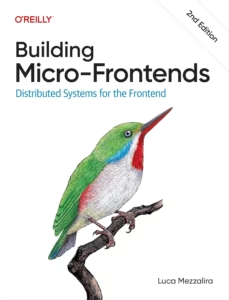
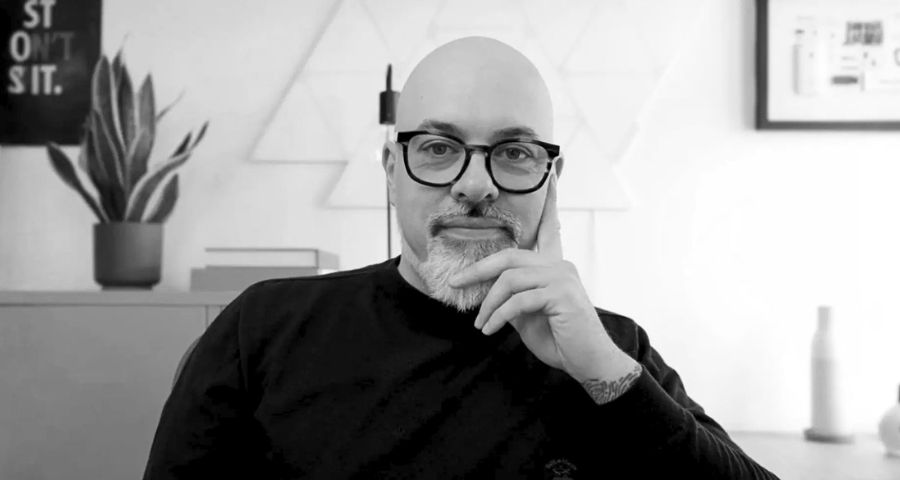
Former VP of Architecture at DAZN and Principal Serverless Specialist at AWS, Luca Mezzalira is the author of Building Micro-Frontends (O’Reilly) and Front-End Reactive Architectures (Apress). He is also the mind behind the Dear Architects newsletter.
Today Luca works where AI engineering meets architecture, helping teams make better decisions in the age of AI.
Target Audience
The Harness Engineering Workshop is for software engineers, tech leads, and architects whose teams already use coding agents on production codebases and see results vary from one developer or task to the next.
Participants should have at least 5 years of professional experience building software.
Agenda
- Why AI used badly is damaging software that worked perfectly well until yesterday
- The 4 levels of writing code, from developer-led work, through prompt engineering and context engineering, up to harness and loop engineering
- Capturing the human context that agents cannot see on their own, and how collaborative techniques bring it to the surface
- Encoding the architecture directly for agents, so the system’s boundaries and conventions are made explicit instead of being left to assumption
- Shifting checks left with fitness functions, testing architectural decisions as early as possible
- Building guardrails directly into the CI pipeline rather than relying on manual review alone
- Keeping documentation and evaluations alive alongside the code
- Harness and loop engineering in practice: the three loops that define how much autonomy to give an agent, which cycles can run unsupervised and which need someone watching
- The mindset shift that ties all of this together, where software is grown continuously as an ongoing practice instead of being built once and shipped.
How it works
The workshop includes hands-on sessions in which participants split into groups and work through scenarios set by the facilitator.